Sale!
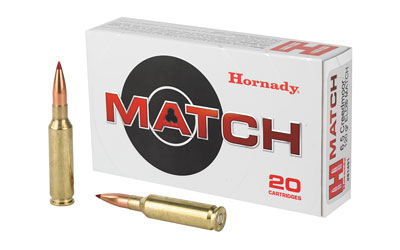

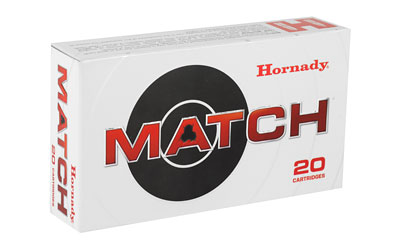
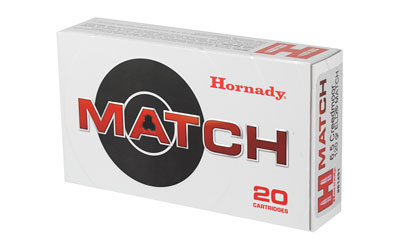
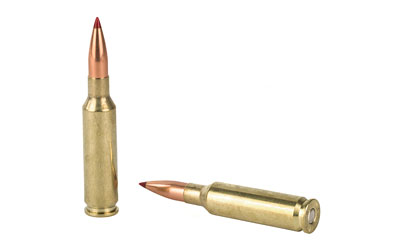
HRNDY 6.5CM 120GR ELD-M 20/200
Original price was: $59.95.$45.86Current price is: $45.86.
HRNDY 6.5CM 120GR ELD-M 20/200
75 in stock
Description
Hornady carefully selects every component to ensure uniformity, then loads to exacting specifications to provide pinpoint accuracy. Each cartridge is loaded with either Hornady A-MAX bullets, high-performance boattail hollow points, or the new, radically superior ELD Match bullets. Stringent quality control ensures proper bullet seating, consistent charges and pressures, optimal velocity, consistent overall length and repeatable accuracy.
Additional information
| Bullet Weight (Grains) | 120 |
|---|---|
| Caliber/Gauge | 6.5mm Creedmoor |
| Case Material | Brass |
| Cost per Round | 2.29 |
| Grains | 120Gr |
| Length | 5.3000 |
| Manufacturer | |
| Manufacturer Part Number | 81491 |
| Model | Match |
| Product Type | ELD Match |
| Safety | Centerfire |
| Shipping Weight | 1.0 |
| Sights | Centerfire |
| Units per Box | 20 |
| UPC | 090255814910 |
Related products
-
Sale!

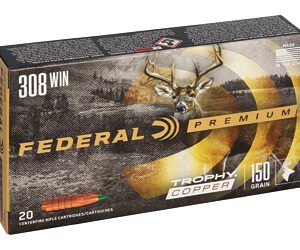
FED PRM 308WIN 150GR TRPHY CP 20/200
Original price was: $66.99.$53.42Current price is: $53.42. Add to cart -
Sale!
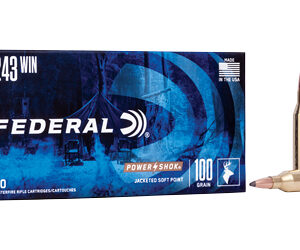
FED PWRSHK 243WIN 100GR SP 20/200
Original price was: $44.99.$36.04Current price is: $36.04. Add to cart -
Sale!
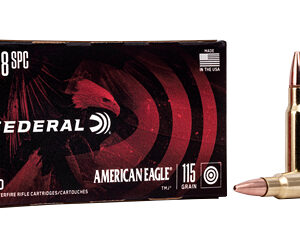
FED AE 6.8SPC 115 FMJ 20/200
Original price was: $37.99.$30.10Current price is: $30.10. Add to cart -
Sale!
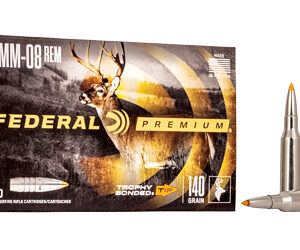
FED PRM 7MM08 140GR TRPHY TIP 20/200
Original price was: $68.99.$55.21Current price is: $55.21. Read more